September 9, 2026
The tree trimming services industry includes a range of options for residential and commercial properties. According to IBISWorld, the market size of the Tree Trimming Services industry in the United States is $39.5bn in 2026. Understanding your property's needs can help you compare available services and determine which type of contractor is appropriate.
By considering the condition, size, and location of your trees, you can better understand the services that may be needed. Tree trimming, pruning, removal, and ongoing maintenance can address different concerns. The following considerations can help you evaluate tree trimming contractors and select services that fit your property.
1. Essential Tree Care Considerations
Understand Different Tree Services
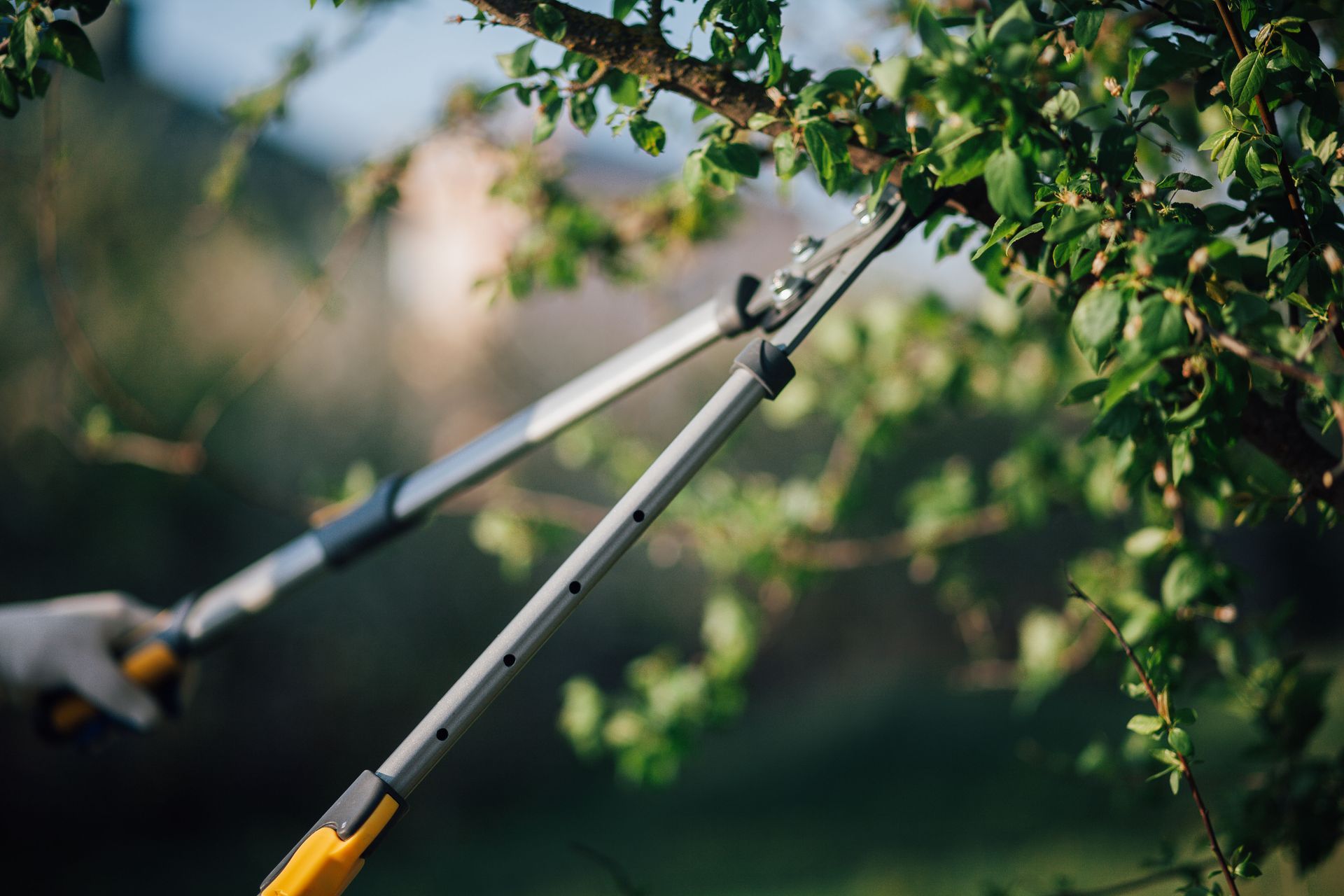
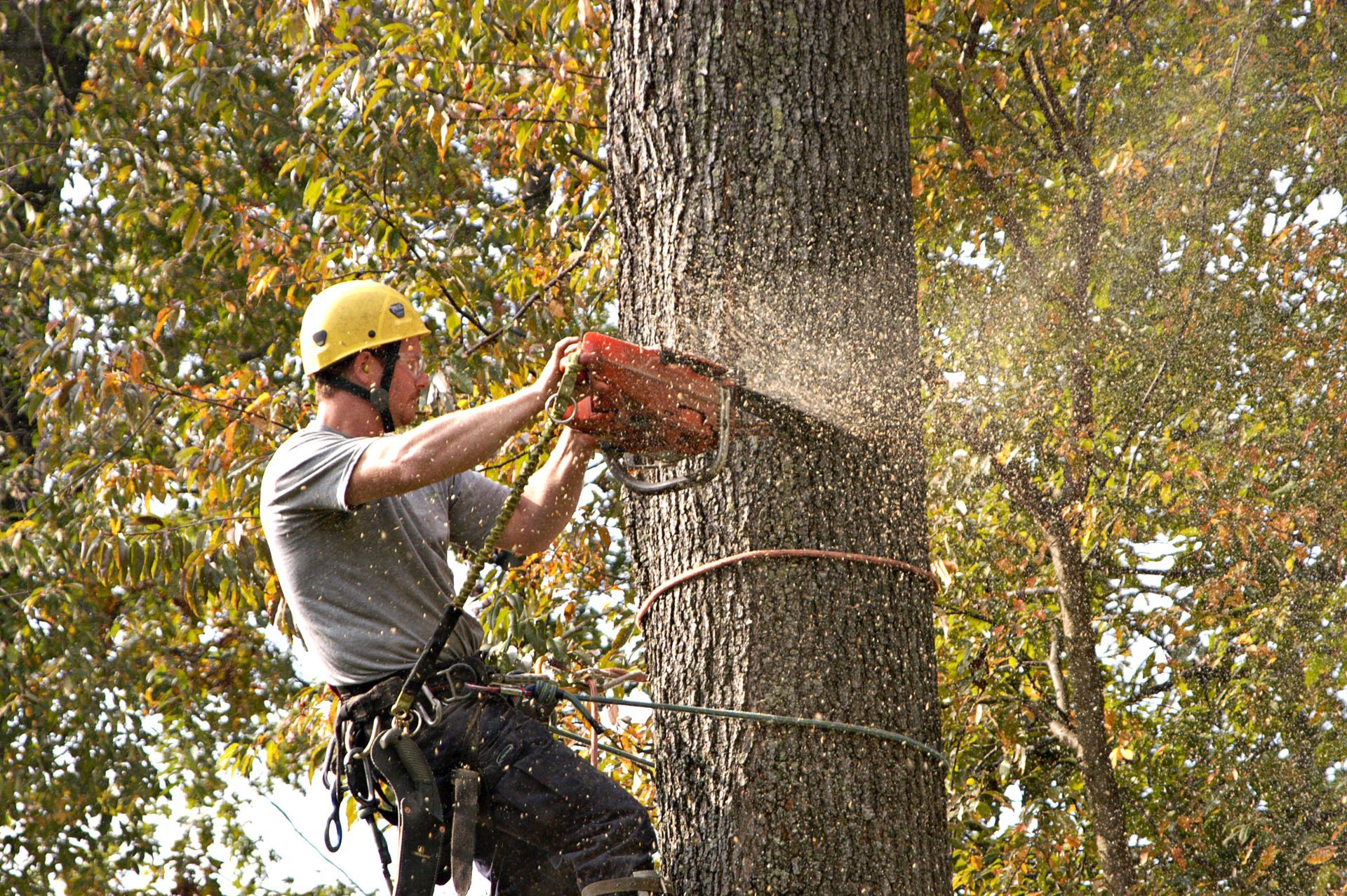
Tree services can include trimming, pruning, and removal, with each service addressing different property and tree care needs. Trimming and pruning may be used as part of routine maintenance, while tree removal may be necessary when a tree's condition, size, or location creates concerns. Understanding the differences between available services can help you discuss your property's needs with a tree care professional.
Some properties may require more than routine tree maintenance. Depending on the situation, services may also include stump grinding, emergency tree removal, land clearing, or vegetation management. Reviewing the available services can help you determine whether tree trimming contractors can address the full scope of your needs.
Identify Specific Problem Areas
Visible changes in a tree's condition, including dead branches, damage, or signs of decline, may indicate that professional attention is needed. Tree care services can include maintenance, disease management, pest control, and removal when appropriate. Having a professional evaluate noticeable concerns can help determine which service is suitable for the property's needs.
Observing changes in a tree's appearance can provide useful information when discussing concerns with a contractor. A professional tree care provider can assess the property's needs and recommend appropriate services, such as trimming, pruning, maintenance, or removal. This evaluation can help property owners better understand which services may address their concerns.
2. Thorough Contractor Research
Gather Recommendations and Referrals
Recommendations from friends, family members, neighbors, or other property owners can provide useful perspectives when researching tree trimming contractors. People who have previously hired a company may be able to share information about the type of work completed and their overall experience. These perspectives can provide additional context while comparing available options.
Personal recommendations can be one part of the research process. Combining referrals with information available through company websites can help you compare contractors and learn more about the services they provide. Using multiple sources of information can help you develop a clearer picture of each company's capabilities.
Check Online Reviews and Testimonials
Online reviews can provide additional information when researching tree trimming contractors. Reading multiple reviews may help you identify recurring comments about communication, scheduling, service experiences, or the types of projects a company performs. Looking for patterns across several reviews can provide broader context than relying on a single experience.
Reviews are most useful when considered alongside other available information. Looking at a company's services, project capabilities, and experience with different types of tree care can provide a broader understanding of whether its offerings align with your needs. This approach can help you evaluate several factors before making a decision.
3. Clear Project Cost Considerations
Review Project Estimates
Reviewing an estimate can help you understand the anticipated scope of a tree care project and its associated costs. Before moving forward, take time to clarify which services are included and whether any site conditions could affect the overall scope of work. Understanding these details can help establish clear expectations for the project.
When reviewing estimates, consider the services included rather than focusing solely on the total cost. Differences in project scope, tree size, accessibility, equipment needs, and cleanup requirements can affect pricing. Comparing these details can provide context for differences between estimates.
A clear estimate can provide a useful reference for discussing the planned work. Reviewing the project scope before scheduling service can help ensure both parties have a shared understanding of the requested tree care needs. It can also help clarify which services are expected as part of the project.
Compare Project Scope
Tree service costs can vary based on the scope and complexity of the work. Factors such as tree size, location, accessibility, and the services needed may affect the overall project estimate. Understanding these factors can help explain why different projects may have different costs.
When reviewing project costs, consider the scope of services included and how those services relate to your property's needs. Comparing the details of each proposed project can provide more useful context than comparing totals alone. This approach allows you to evaluate what each estimate is intended to cover.
Understand Included Services
Reviewing an estimate can help clarify the scope of services included in a project. Depending on the work being performed, you may want to ask about details such as tree trimming, removal, stump grinding, debris handling, or other services related to the property. Clarifying these details can help you understand the anticipated scope before work begins.
Tree care projects can involve different requirements depending on the property's conditions. Understanding the planned services before work begins can help clarify what the project is intended to address. This information can also help property owners identify whether additional services may be needed.
4. Practical Project Requirements
Consider Tree Size and Access
Tree size, condition, and location can affect the approach needed for a project. Trees near structures, power lines, or confined areas may require additional planning or specialized equipment. Identifying these conditions can help determine the scope of the required work.
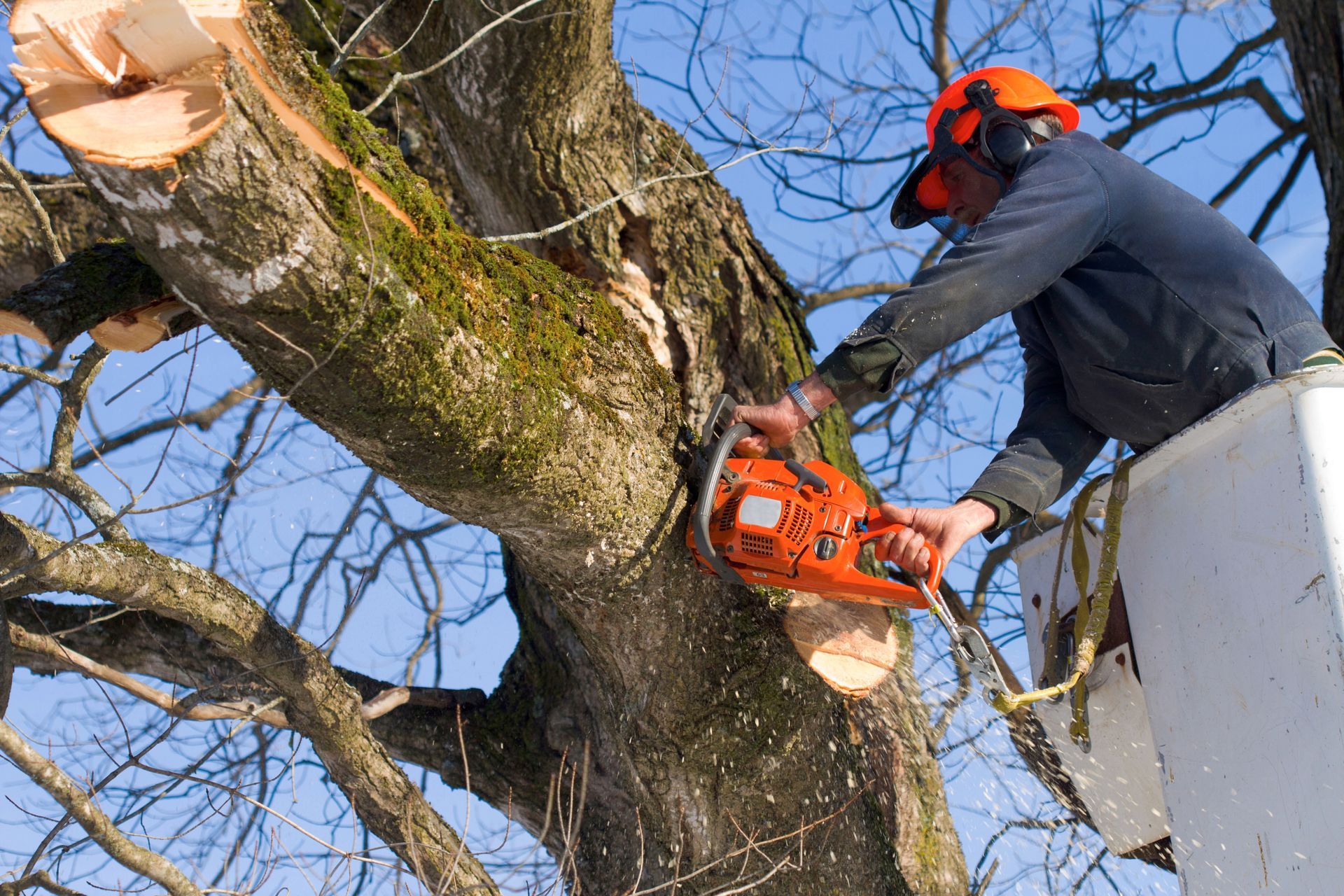
Discussing these conditions with a tree care provider can help determine which services are appropriate. Some projects may involve routine trimming, while others may require tree removal or crane-assisted removal. The property's layout and access conditions can influence the approach.
Providing clear information about the property and any access limitations can help a contractor understand the scope of the project before work begins. Details about surrounding structures or obstacles may also be relevant to project planning. Sharing this information can help establish a clearer understanding of the property's needs.
Ask About Available Equipment
Different tree care projects may require different types of equipment. Large or difficult-to-access trees, for example, may require specialized removal methods. The equipment needed can depend on the tree's size, location, and surrounding conditions.
Understanding a company's capabilities can help you determine whether it is equipped to address the conditions on your property. Services such as crane tree removal may be appropriate for large, challenging, or confined tree removal projects. Reviewing available capabilities can help you compare tree trimming contractors based on the needs of your project.
Reviewing available services and discussing the property's conditions can help establish whether the contractor's capabilities align with the project's needs. This can be particularly important when trees are located in challenging areas. Understanding the available options can help you make a more informed decision.
Reliable Tree Care provides residential and commercial services ranging from routine trimming and tree health care to removal, stump grinding, land clearing, vegetation management, and emergency response. Learn more about our available services to find an approach suited to your property's needs. Additional information can help you determine which services may be appropriate for your property.